
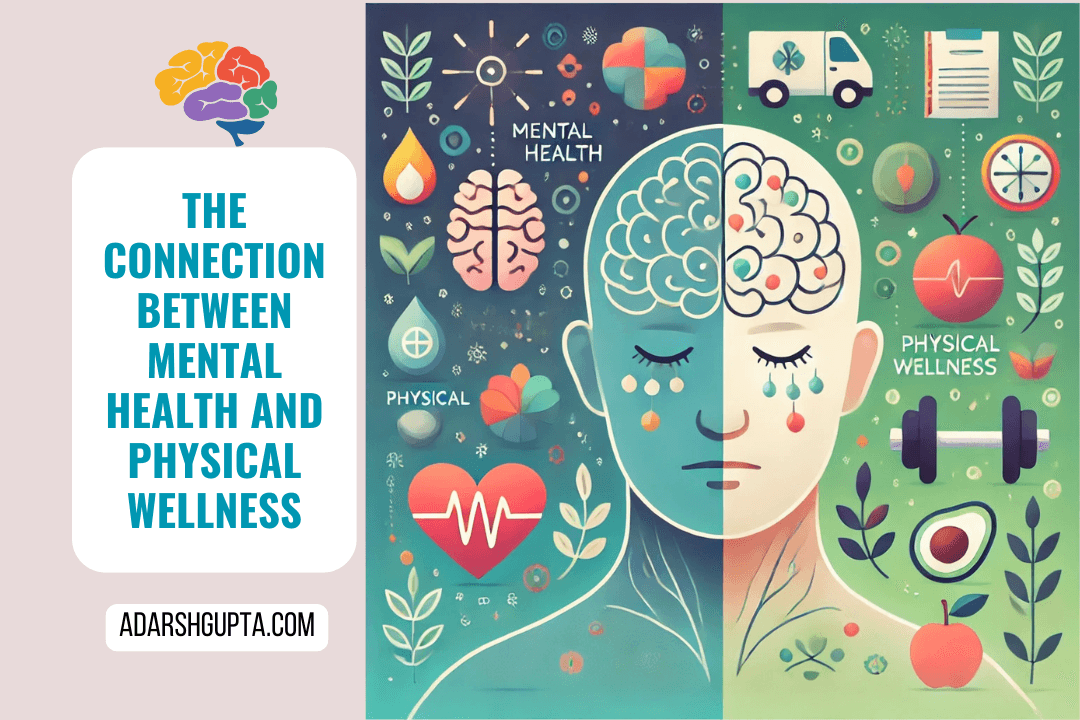
Discover the profound connection between mental health and physical wellness. Learn how your mind and body work together and explore actionable steps to achieve holistic well-being.
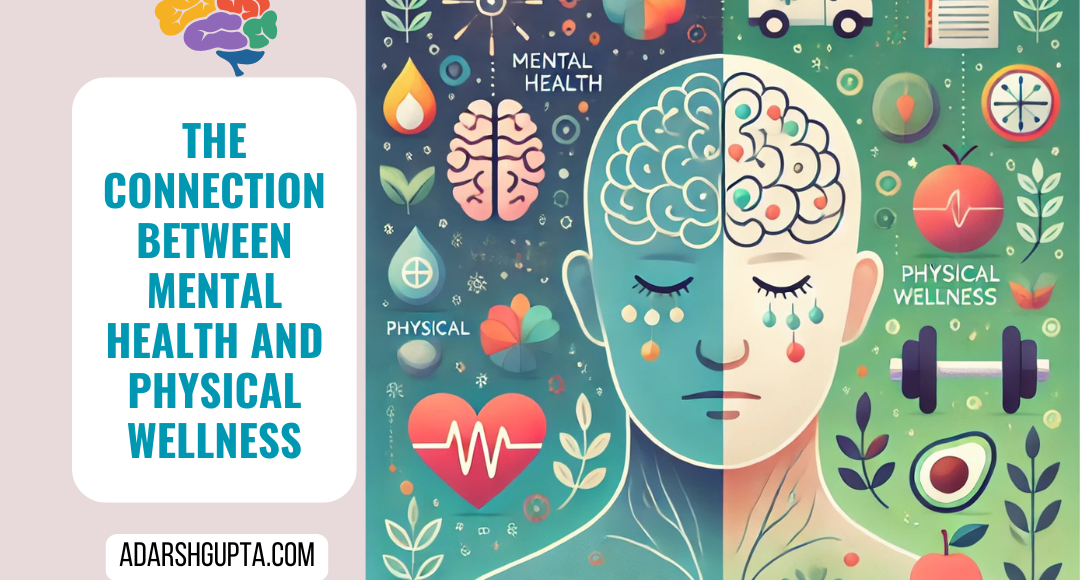
In today’s fast-paced world, where stress and busyness have become the norm, achieving both mental and physical health is vital for overall well-being. While many people treat mental and physical health as separate, they are deeply intertwined. Your mental state impacts your physical body, and vice versa.
In this article, we’ll explore the powerful connection between mental health and physical wellness, supported by science, and provide actionable steps to help you achieve holistic well-being.
The Science Behind the Mind-Body Connection
The relationship between mental health and physical wellness is supported by extensive scientific research. For instance, chronic stress—linked to anxiety and depression—releases cortisol, a stress hormone. Prolonged exposure to elevated cortisol levels can lead to health problems such as:
- Increased risk of heart disease
- High blood pressure
- Weakened immune function
- Weight gain
On the flip side, poor physical health can worsen mental health. For example, chronic pain conditions like arthritis are often linked to depression and anxiety, as the discomfort affects mood, sleep, and overall quality of life.
How Mental Health Affects Physical Wellness
1. Stress and Physical Health
Stress isn’t just a mental experience—it has physical consequences. Prolonged stress can result in muscle tension, headaches, digestive issues, and more.
Tip to Manage Stress: Incorporate relaxation techniques like yoga, meditation, or deep breathing exercises into your routine.
👉 Try this:
2. Anxiety and the Body
Anxiety can trigger physical symptoms such as rapid heart rate, sweating, and nausea. Over time, unmanaged anxiety can contribute to digestive disorders and even cardiovascular problems.
Solution: Engage in regular exercise, which has been proven to reduce anxiety symptoms by releasing endorphins, your body’s natural “feel-good” chemicals.
👉 Recommended:
3. Depression and Physical Wellness
Depression often manifests physically, causing fatigue, sleep disturbances, and reduced appetite or overeating. Physical inactivity associated with depression also increases the risk of obesity, diabetes, and cardiovascular disease.
Solution: Start small by incorporating short walks or light stretching into your day to boost your mood and energy levels.
👉 Get Started With:
How Physical Wellness Impacts Mental Health
1. Exercise Improves Mental Health
Physical activity releases endorphins, reduces cortisol, and promotes better sleep—making it a cornerstone for improving mental health. Regular exercise is particularly effective for managing conditions like depression and anxiety.
Tip: Aim for at least 30 minutes of moderate-intensity exercise, five days a week.
👉 Recommended Gear:
2. Nutrition and the Brain
The food you eat plays a significant role in mental health. Diets rich in whole foods, omega-3 fatty acids, and antioxidants support brain function, while processed foods and sugar can contribute to mood disorders.
Healthy Eating Tip: Focus on eating fresh fruits, vegetables, lean protein, and healthy fats.
👉 Products to Try:
3. Sleep and Emotional Balance
Poor sleep is linked to increased levels of anxiety, depression, and irritability. It also impairs cognitive functions like focus and memory.
Tip for Better Sleep: Establish a consistent bedtime routine and create a sleep-friendly environment.
👉 Helpful Tools:
Steps to Improve Both Mental Health and Physical Wellness
1. Practice Mindfulness
Mindfulness, the practice of staying present in the moment, reduces stress and anxiety while improving focus and emotional well-being. It can also improve your awareness of physical sensations and encourage healthier habits.
How to Start: Begin with 5-10 minutes of daily mindfulness meditation.
👉 Helpful Resources:
2. Move More
Regular physical activity boosts mood, energy levels, and overall health. Find an activity you enjoy—whether it’s dancing, swimming, hiking, or yoga—and make it a consistent part of your routine.
3. Eat Mindfully
What you eat and how you eat matters. Eat slowly, savor your food, and avoid multitasking during meals to improve digestion and satisfaction.
4. Create a Self-Care Routine
Incorporate practices that nurture both your mind and body into your daily life. Self-care isn’t selfish; it’s essential for your overall well-being.
Ideas for Self-Care:
- Journaling your thoughts and feelings
- Taking a relaxing bath
- Spending time in nature
👉 Recommended Journals:
Breaking Down the Barriers
Many people neglect either their mental or physical health because they feel overwhelmed or don’t know where to start. The key is consistency over perfection**.** Small, consistent efforts can lead to transformative change over time.
Get Started Today: Your Path to Holistic Wellness
Understanding the connection between mental health and physical wellness is the first step toward a healthier, happier you. By addressing both areas, you can achieve a balanced, fulfilling life.
For more actionable insights on mental and physical wellness, visit my blog at AdarshGupta.com.
If you’re ready to take control of your habits and create lasting change, check out my book The Science of Habits: Why We Do What We Do and How to Change It. It’s packed with practical strategies to help you live your best life.
Habit Change Counseling Session
Book your one-to-one counseling session to overcome any bad habit and build a good one. Get concrete guidance and a free PDF cheat sheet and Habit Cycle Worksheet for Dr. Adarsh Gupta’s book – “The Science of Habits – Why We Do What We Do and How to Change It.
[
Book Now
](https://calendly.com/adarshguptax108/30min)
Disclaimer: This article contains affiliate links to products on Amazon. As an Amazon Associate, I earn from qualifying purchases.