
Emotional intelligence is one of the most underrated yet essential ingredients for success, resilience, and long-term happiness. While traditional measures like IQ and technical skills matter, your ability to understand and regulate emotion consistently predicts performance, well-being, and life satisfaction in profound ways.
In this article, we’ll unpack the science and psychology behind emotional intelligence and offer a set of practical, repeatable emotional intelligence habits that help you perform at your best — professionally and personally.
We’ll also link to useful articles on AdarshGupta.com to deepen your journey and direct you to additional resources.
What Are Emotional Intelligence Habits?
When we talk about emotional intelligence, we often think of big concepts like empathy, awareness, or resilience. But emotional intelligence isn’t just a trait — it’s a set of habits you practice daily:
Emotional intelligence habits are automatic behavioral patterns that shape how you perceive, evaluate, and respond to your own emotions and the emotions of others.
Instead of reacting impulsively, emotionally intelligent individuals consistently choose thoughtful responses. These patterns become habits when they are practiced repeatedly over time.
(For a deeper dive into how habits form and become automatic, see “The Science of Habit Formation” on AdarshGupta.com.)
Why Emotional Intelligence Matters — Backed by Science
Numerous studies show that emotional intelligence predicts:
- Job performance and leadership success
- Stress resilience and mental well-being
- Quality of relationships and social support
- Cognitive flexibility and decision-making
Psychological research indicates that emotional intelligence is strongly linked to self-regulation, empathy, and social awareness — factors that influence not only individual outcomes but also group dynamics and success in work and life. External research also shows a strong relationship between emotional regulation and psychological health.
Building emotional intelligence habits isn’t a “soft skill” luxury — it’s a science-based strategy for performance optimization.
The Habit Cycle Behind Emotional Intelligence
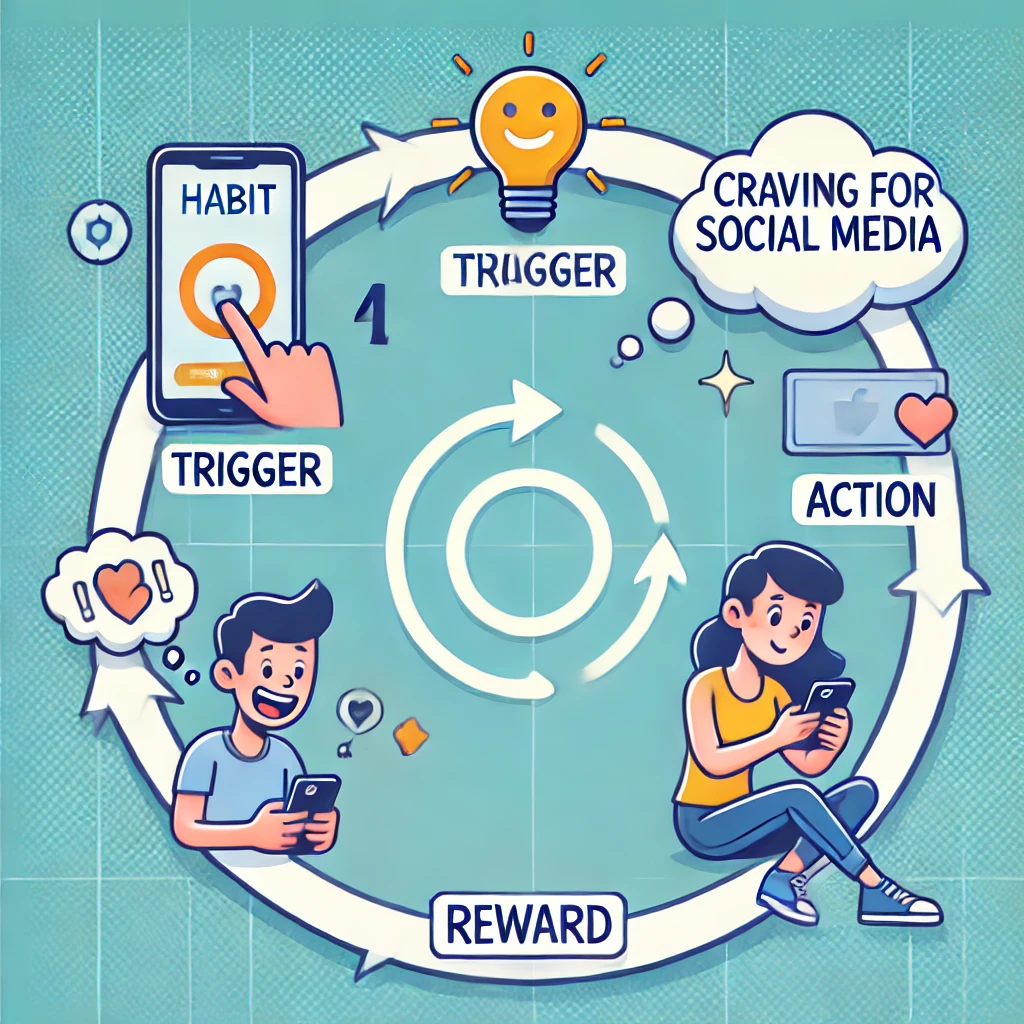
To make emotional intelligence actionable, we can use the same framework that underpins all behavior: the Habit Cycle — Trigger → Craving → Action → Reward.
This model, explained in detail in “The Science of Habits”, helps you understand how emotional reactions become automatic and how to shift them intentionally.
Every emotional response follows this pattern:
- Trigger — a stimulus (internal or external) that initiates an emotional reaction
- Craving — the desire to experience or avoid a certain feeling
- Action — the behavior you perform in response
- Reward — the outcome that reinforces the behavior
Now let’s look at 8 emotional intelligence habits designed around this cycle.
Habit 1: Pause Before You React
Why it matters:
Emotionally intelligent people don’t act on impulse — they choose disciplined responses.
Practical habit:
When you feel a strong emotion (anger, frustration, anxiety), practice a brief pause: count two breaths, silently.
This interrupts the impulse (the automatic “Action” step) and creates a space for intentional behavior.
Result: You break the old habit cycle and replace it with a controlled response.
Habit 2: Name Your Emotions
Why it matters:
Labeling emotions reduces their intensity and increases clarity. According to psychological research, simply identifying feelings helps down-regulate emotional activation.
Practical habit:
In your daily journal, list specific emotions you experienced:
- “I felt frustrated”
- “I experienced tension”
- “I felt hopeful”
This habit turns vague emotional states into explicit data.
Internal link: This pairs well with mindfulness practices discussed in “Mindfulness vs Meditation: Understanding the Key Differences and Benefits”.
Habit 3: Separate Emotion from Identity
Why it matters:
When you tell yourself “I am angry,” it feels permanent and personal. But emotions are temporary states, not identity traits.
Practical habit:
Say to yourself:
- “I am experiencing frustration.”
- “I noticed irritation in my body.”
By reframing this way, you create distance between experience and self, which supports healthier internal dialogue.
Habit 4: Reframe Internal Dialogue
How you speak to yourself matters. Negative self-talk leads to repeated emotional reactions that feel automatic and outside your control.
Practical habit:
When you notice a negative judgment (“I’m terrible at this”), practice reframing:
- “I am learning.”
- “This is growth, not failure.”
These habits reshape your internal Habit Cycle — reinforcing positive emotional reward instead of self-criticism.
Habit 5: Design Your Environment for Emotional Regulation
Why it matters:
Our emotions are deeply influenced by our surroundings — from morning rituals to workstations.
For example, consistent mindfulness or stress management habits improve mood and clarity; these are outlined in articles like “5 Simple Habits That Can Transform Your Health.”
Practical habit:
Set environmental cues:
- Create a calm space for reflection
- Turn off disruptive notifications
- Use reminder notes for emotional cues
This supports better emotional outcomes automatically.
Habit 6: Respond to Feedback With Curiosity, Not Defensiveness
Feedback often triggers ego protection, which leads to reactive emotional responses.
Practical habit:
When you receive feedback:
- Listen fully
- Ask one clarifying question
- Respond with thanks
This reduces impulse-driven reaction and encourages growth.
Internal link: You can then follow up with techniques for translating feedback into habits, similar to How to Break Bad Habits and Form Good Ones.
Habit 7: Cultivate Empathy Deliberately
Empathy is more than understanding others — it’s putting their emotions into context.
Practical habit:
Ask yourself:
- “What might this person be feeling?”
- “What pressures might they be under?”
These questions cultivate empathy and strengthen interpersonal skills.
Habit 8: Prioritize Emotional Recovery
Recovery habits help you bounce back faster after emotional stress — a key component of resilience and long-term performance.
Practical habit:
- Practice deep breathing or brief meditation
- Engage in mindfulness activities like coloring to reduce stress (explained in “The Science Behind Stress Reduction: How Coloring Calms Your Mind”).
Even a few minutes a day of intentional emotional recovery builds resilience over time.
Emotional Intelligence and Long-Term Success
Emotionally intelligent individuals are better equipped to:
- Navigate interpersonal relationships
- Lead teams
- Handle stress and adversity
- Maintain a growth-oriented mindset
Your emotional intelligence habits determine how you show up every day — not just once in a while.
You can deepen this by tracking your emotional patterns, much as you would improve focus and cognition, as described in “How to Improve Focus and Concentration in a Distracted World.”
How To Start (Simple 30-Day Habit Plan)
- Week 1: Build the Pause Habit
- Week 2: Practice Naming Emotions
- Week 3: Reframe Internal Dialogue
- Week 4: Empathy and Feedback Responses
Use the same Habit Cycle model to iterate and strengthen your emotional intelligence habits. Get your Habit Cycle Score.
Tie-Ins to Other Content on AdarshGupta.com
- Explore how emotions and eating intersect in Could My Weight Gain Be a Result of Emotional Overeating?
- Improve mental well-being via environmental habits and self-care in The Connection Between Mental Health and Physical Wellness.
- Learn how mindfulness can become a daily skill in Mindfulness vs Meditation: Understanding the Key Differences and Benefits.
Also, take the Emotional Wellness Quiz to see how emotionally intelligent you are and where your emotional habits may be holding you back.
Final Thought: Emotional Intelligence Is Built Through Daily Habits
If there’s one thing to remember:
Emotional intelligence isn’t something you suddenly “have” — it’s something you practice daily through focused, intentional habits.
Implementing emotional intelligence habits doesn’t require perfection — it requires consistency. And the payoff is extraordinary performance, deeper relationships, and a better life.