
Discover how emotional overeating can lead to weight gain, explore the psychological triggers, and find effective strategies to manage your weight and emotional health. Learn about the mind-body connection and practical solutions to overcome emotional eating.
In today’s fast-paced world, many individuals struggle with weight gain and often wonder about the underlying causes. One significant factor that is frequently overlooked is emotional overeating. This article delves into the connection between emotional overeating and weight gain, exploring the psychological triggers and offering practical solutions to manage both weight and emotional health.
Understanding Emotional Overeating
Emotional overeating refers to the tendency to consume food in response to emotional distress rather than physical hunger. This behavior is often triggered by negative emotions such as stress, anxiety, sadness, or boredom. When faced with these emotions, individuals may turn to food as a source of comfort, leading to overeating and, consequently, weight gain.
The Mind-Body Connection
The relationship between our mental state and physical health is profound. Emotional distress can lead to hormonal changes that increase appetite and cravings for high-calorie, comfort foods. For instance, stress triggers the release of cortisol, a hormone that can increase appetite and lead to cravings for sugary and fatty foods. This mind-body connection highlights the importance of addressing emotional health to manage weight effectively.
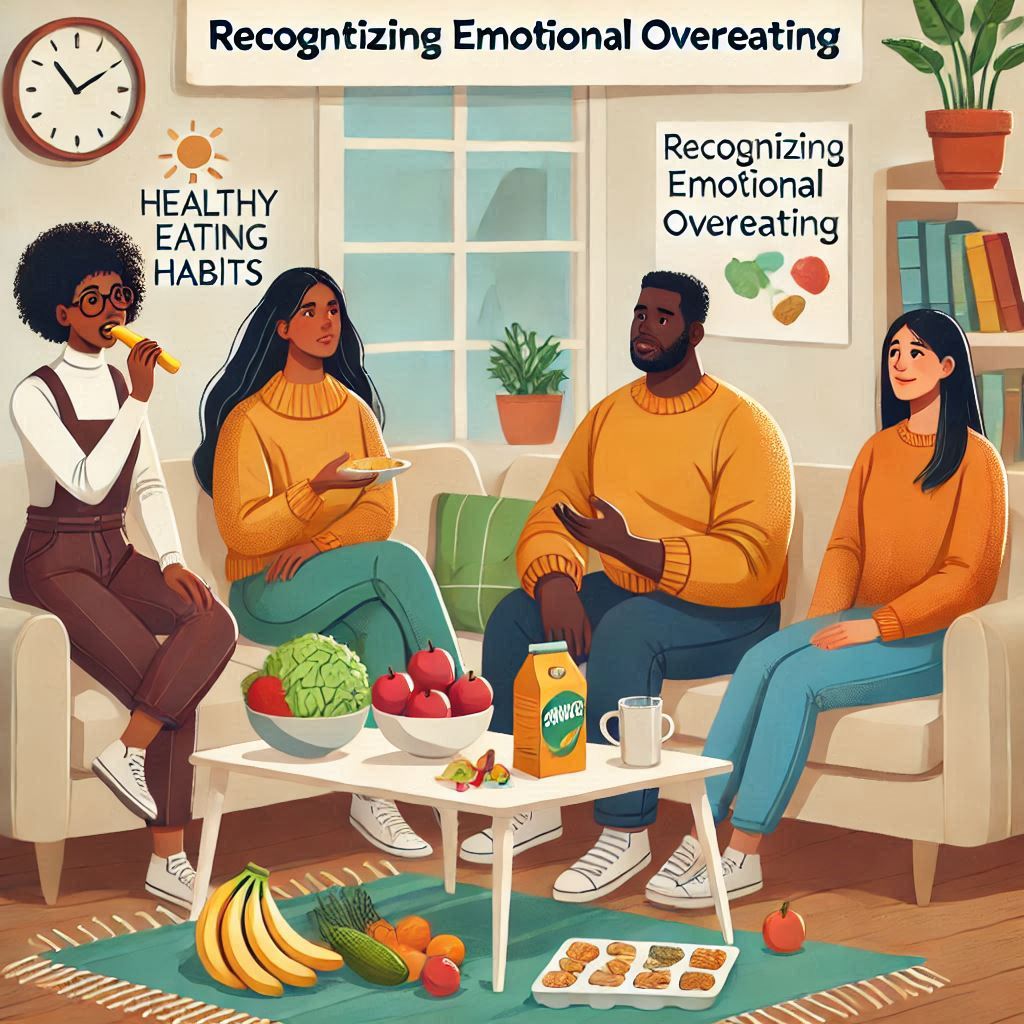
Psychological Triggers of Emotional Overeating
Several psychological factors contribute to emotional overeating:
Stress
Chronic stress triggers the release of cortisol, a hormone that can increase appetite and cravings for high-calorie, sugary, or fatty foods. When faced with ongoing stress, many individuals turn to food as a source of comfort, often consuming larger quantities than they normally would. This cycle not only contributes to weight gain but also can create a dependence on unhealthy eating as a stress relief mechanism, perpetuating the stress-eating cycle.
Anxiety and Depression
Anxiety and depression are mental health conditions that can have a profound impact on a person’s eating habits. Many individuals may find themselves turning to food as a coping mechanism, using it as a way to manage their emotions. For example, those with anxiety might seek comfort in familiar, calorie-dense foods to alleviate their stress, while individuals dealing with depression may lose interest in preparing nutritious meals and gravitate towards easy, unhealthy options. This shift in eating patterns not only affects physical health but can also create feelings of guilt and shame, further worsening their mental state. Understanding this connection is essential for effective treatment, as addressing both mental health and nutritional needs can lead to healthier coping strategies and improved overall well-being.
Boredom
When individuals experience a lack of stimulation or engagement in their daily lives, they may turn to mindless eating to occupy their time. This behavior often occurs without awareness or intention, as people reach for snacks out of boredom rather than hunger. Mindless eating can lead to overeating and unhealthy food choices, impacting both physical and mental well-being. By finding alternative activities or hobbies that stimulate the mind, individuals can reduce the tendency to eat mindlessly and develop healthier eating habits.
Childhood Experiences
Early experiences with food, such as using it as a reward or a source of comfort, can significantly shape our relationship with eating throughout our lives. When we associate food with positive reinforcement or emotional solace, we may develop patterns of emotional eating that persist into adulthood. These habits can lead to challenges in managing our eating behaviors, particularly during stressful times or emotional upheavals. Understanding these early influences is essential for addressing and breaking the cycle of emotional eating, allowing individuals to foster a healthier and more balanced relationship with food as they grow.
Identifying Emotional Overeating
Recognizing the signs of emotional overeating is the first step toward addressing the issue. Some common indicators include:
- Eating in response to emotions rather than hunger. Turning to food for comfort during stress, sadness, or boredom.
- Craving specific comfort foods. Desiring high-calorie, sugary, or fatty foods when feeling emotional.
- Eating mindlessly or rapidly. Consuming food without paying attention, often eating quickly.
- Feeling guilty or ashamed after eating. Experiencing negative emotions post-eating, such as guilt or shame.
Take Emotional Wellness Quiz
How emotionally intelligent are you? Find out your level of emotional intelligence and how well you handle adversities and maintain happiness.
[
Take the Quiz
](https://adarshgupta.com/emotional-wellness/)
Strategies to Overcome Emotional Overeating
- Mindful Eating: Practice being present during meals, paying attention to hunger and fullness cues, and savoring each bite. This can help break the cycle of mindless eating.
- Stress Management: Incorporate stress-reducing activities such as exercise, meditation, or deep breathing exercises into your daily routine.
- Healthy Coping Mechanisms: Find alternative ways to cope with emotions, such as journaling, talking to a friend, or engaging in a hobby.
- Professional Support: Seek help from a therapist or counselor who specializes in emotional eating and weight management.
- Balanced Diet: To support overall well-being, focus on a balanced diet rich in whole foods, lean proteins, and healthy fats.
Conclusion
Emotional overeating is a common but often overlooked factor contributing to weight gain. By understanding the psychological triggers and implementing effective strategies, individuals can manage their weight and improve their emotional health. Remember, addressing emotional overeating is not just about willpower; it’s about finding healthy ways to cope with emotions and nurturing a positive relationship with food.
References
- Arexis, M., Feron, G., Brindisi, MC. et al. A scoping review of emotion regulation and inhibition in emotional eating and binge-eating disorder: what about a continuum? J Eat Disord 11, 197 (2023). https://doi.org/10.1186/s40337-023-00916-7
- Reichenberger J, Schnepper R, Arend A-K, Blechert J. Emotional eating in healthy individuals and patients with an eating disorder: evidence from psychometric, experimental and naturalistic studies. Proceedings of the Nutrition Society. 2020;79(3):290-299. doi:10.1017/S0029665120007004