
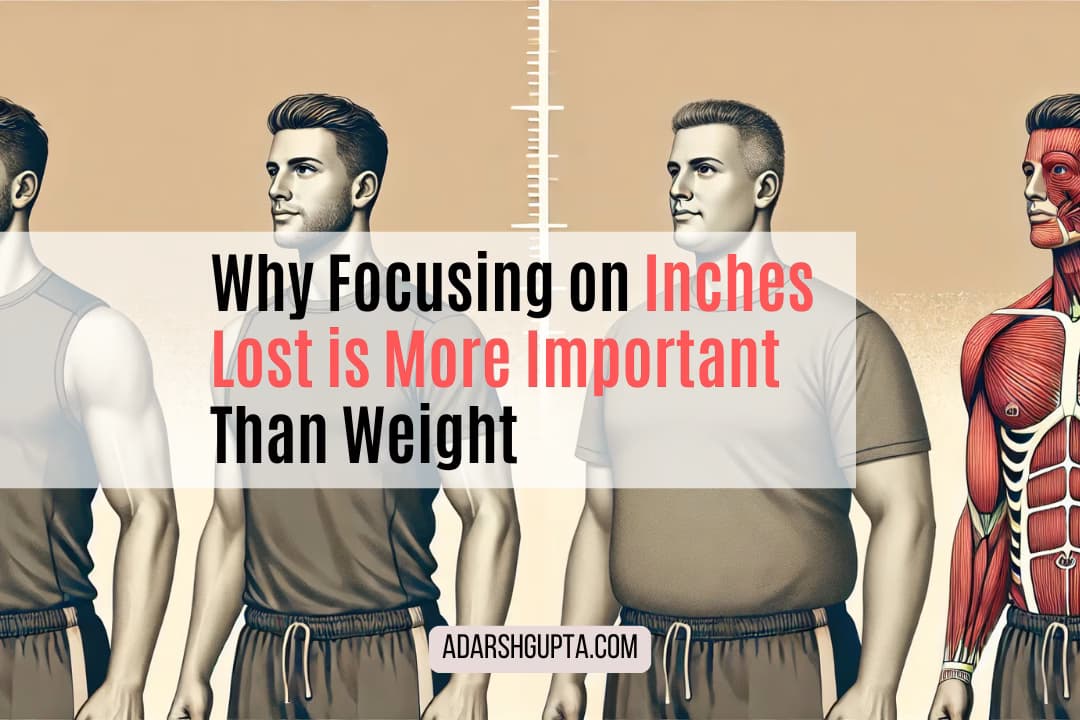
Discover why tracking inches lost is a better measure of fat loss than weight. Learn how body composition, muscle gain, and metabolism impact your progress.
Most people who lose weight rely heavily on the scale to track their progress. But what if I told you that focusing on inches lost is a much more accurate way to measure fat loss than the number on the scale? The truth is, your weight doesn’t tell the whole story—your body composition does. Let’s explore why inches lost is a more important metric than weight and how you can effectively track actual fat loss.
The Problem with Weighing Yourself
Your body weight fluctuates daily due to various factors like water retention, hormonal changes, and food intake. This means that stepping on the scale doesn’t always give an accurate picture of your progress. Some common reasons weight is not a reliable measure include:
- **Water Retention—**High sodium intake or hormonal changes can cause your body to hold onto excess water, causing the scale to fluctuate.
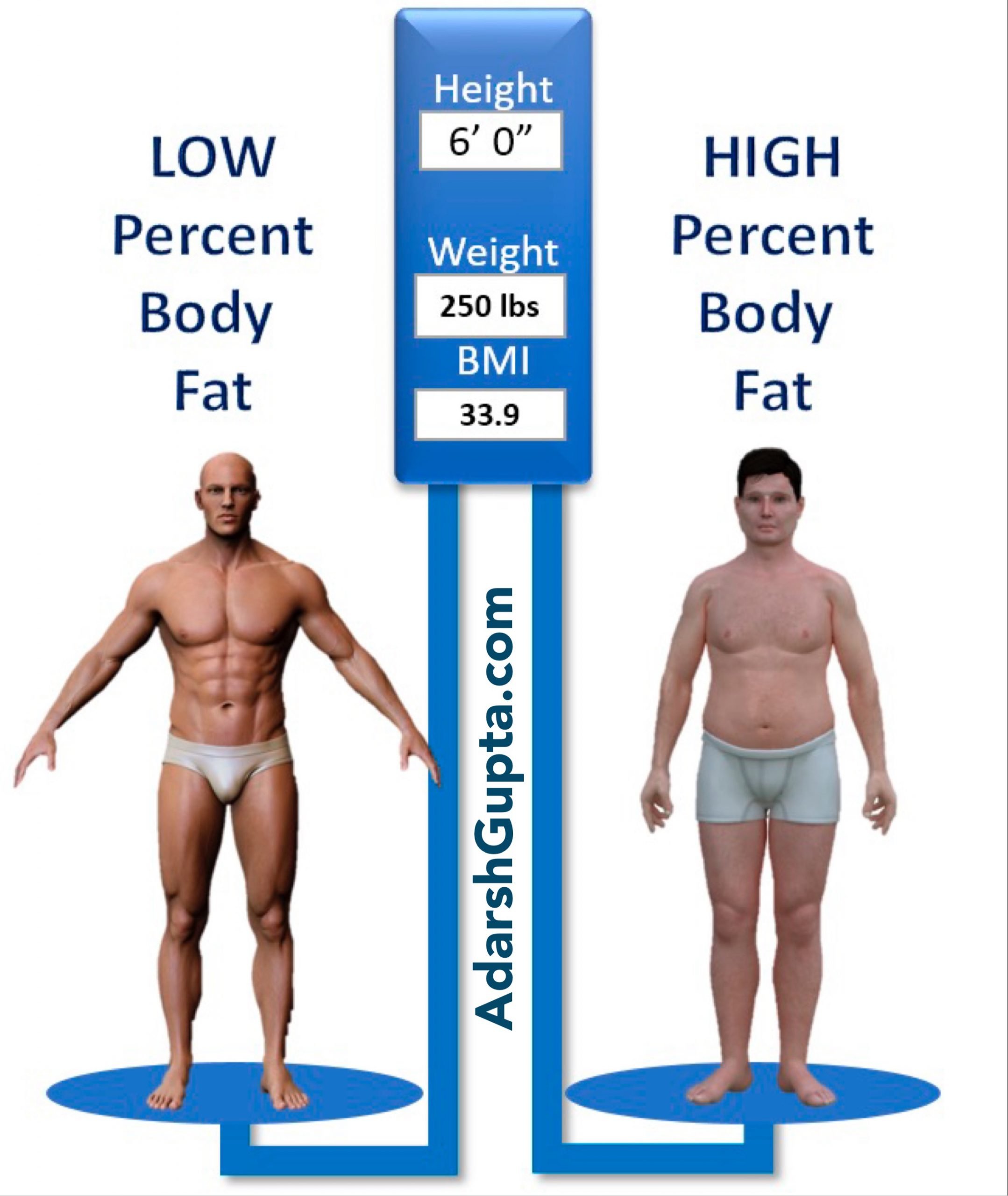
- **Muscle vs. Fat—**Muscle weighs more than fat but takes up less space. If you’re building muscle while losing fat, the scale might not change much, but your body is getting leaner.
- **Glycogen Storage—**Your body stores carbohydrates as glycogen, which holds onto water. Changes in your diet can move the scale up or down without affecting fat levels.
Instead of obsessing over a number, measuring inches lost gives a clearer picture of actual fat loss.
Why Inches Lost is a Better Indicator of Fat Loss
1. Fat Takes Up More Space Than Muscle
Muscles are denser than fat, meaning that if you replace five pounds of fat with five pounds of muscle, you may not see a difference on the scale, but your clothes will fit better, and your body will look leaner.
Tip: Use soft measuring tape to track progress around your waist, hips, thighs, and arms. Or use the latest Body Composition Scale to measure body fat percentage. Also read, What are Body Composition Recommendations?
Recommended: Body Measuring Tape for Weight Loss
2. A Leaner Look Without Weight Loss
Many people focus on getting “toned.” What they actually want is fat loss combined with muscle definition, not just weight loss. Losing inches signifies fat loss, which leads to a more sculpted, lean appearance.
[
](https://adarshgupta.com/dont-just-lose-weight-lose-inches-here-is-how/)
3. The Scale Can Discourage You
Imagine stepping on the scale after weeks of dieting and exercise, only to see little to no change. Many people feel discouraged and quit, even though they’re making real progress by losing inches and gaining muscle.
Pro Tip: Track progress with progress photos, measurements, and how clothes fit rather than just using a scale.
How to Track Inches Lost for Fat Loss
1. Measure Yourself Weekly
Use a measuring tape to track key areas of your body. The most important areas include:
- Waist (around the narrowest part)
- Hips (around the widest part)
- Thighs (midpoint)
- Arms (biceps)
- Chest
Tip: Take measurements at the same time of day, preferably in the morning before eating.
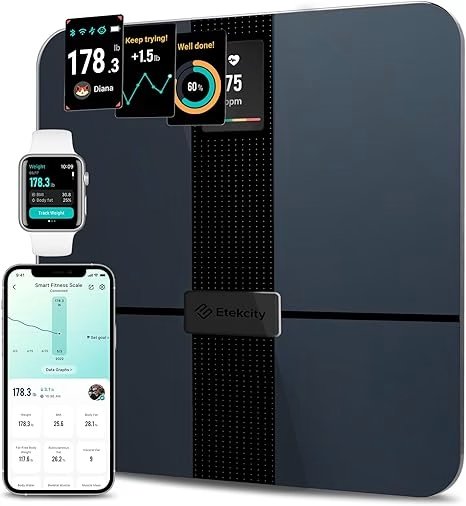
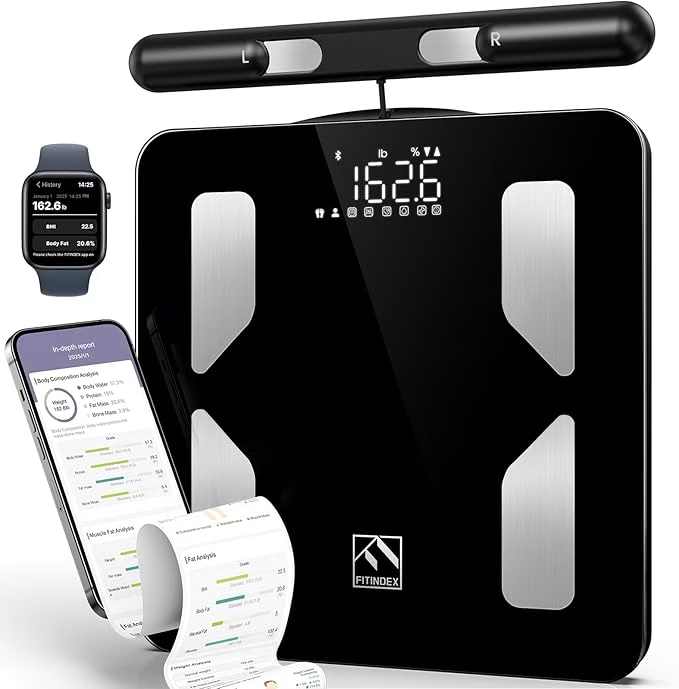
2. Use Body Composition Scales
A body composition scale can give insights into muscle mass, fat percentage, and water weight.
Recommended: Smart Body Composition Scale
[
](https://amzn.to/3CGJql3)
[
](https://amzn.to/42BV7UY)
3. Track Progress With Clothes
If your jeans feel looser or your shirts fit better, it’s a strong sign that you’re losing fat and inches, even if your weight hasn’t changed much. Also, read “3 ways to assess your progress“.
Exercise and Diet Tips to Lose Inches, Not Just Weight
1. Prioritize Strength Training
Lifting weights helps you gain muscle and burn fat simultaneously, leading to inches lost and a toned physique.
Best Strength Training Equipment:
2. Focus on High-Protein Diets
Protein helps preserve lean muscle while burning fat, keeping your metabolism high.
Great Protein Sources:
- Chicken, turkey, lean beef
- Fish and seafood
- Greek yogurt and cottage cheese
Recommended: Low-Calorie High Protein Nutrition Shop – Over 100 options, including bars, shakes, snacks, hot beverages, desserts, breakfast, and entrees.
3. Stay Hydrated and Reduce Bloating
Drinking enough water reduces bloating and helps eliminate toxins, making your progress more visible.
Best Hydration Tip: Drink at least 8 glasses of water daily and include electrolytes if you exercise regularly.
Recommended: Electrolyte Powder for Hydration
4. Use Cardio Strategically
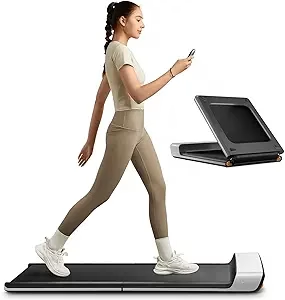
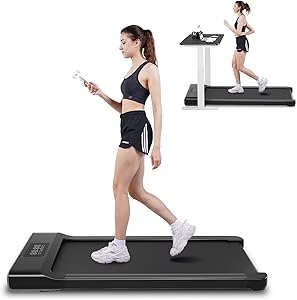
For maximum fat burn, incorporate both low-intensity steady-state (LISS) cardio, like walking, and high-intensity interval training (HIIT).
Cardio Equipment:
[
](https://amzn.to/3WJ1Jgj)
[
](https://amzn.to/4hfiVSY)
Final Thoughts: Focus on Inches, Not Weight
The scale is just a number. You’re making real progress if you’re losing inches, getting stronger, and feeling better. You’ll see better long-term results by tracking body measurements, focusing on strength training, and following a balanced diet.
Key Takeaways:
- The scale doesn’t reflect fat loss vs. muscle gain
- Losing inches means a healthier body composition
- Track progress with measurements, photos, and clothing fit
- Focus on strength training, protein intake, and hydration
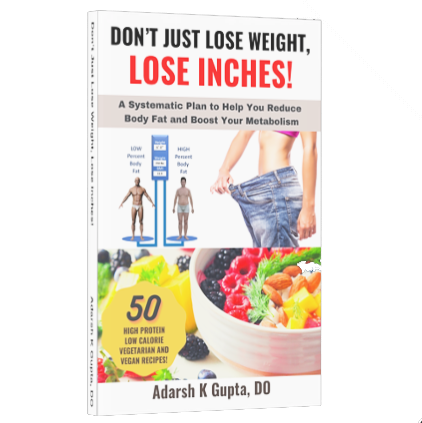
Want to Learn More? Check out my book Don’t Just Lose Weight, Lose Inches for a complete strategy for reshaping your body the right way.
[
](https://amzn.to/3PVkPvN)
For more science-backed wellness tips, visit AdarshGupta.com.