
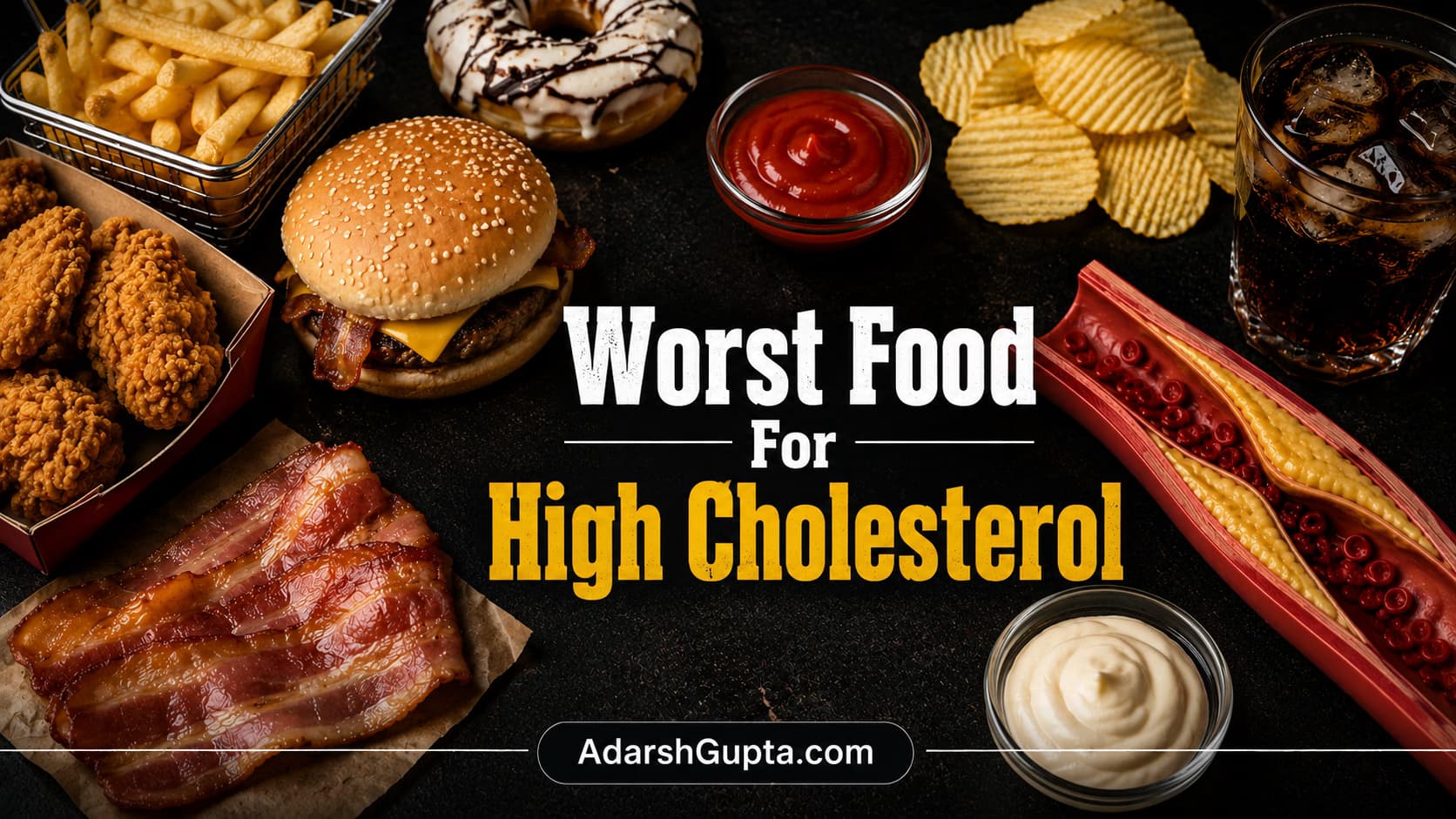
⚡ Key Takeaways (TL;DR)
- Trans fats (partially hydrogenated oils) are consistently rated the most harmful dietary fat for cholesterol — they raise LDL and lower HDL simultaneously.
- Saturated fats, processed meats, and full-fat dairy are the next tier — linked to elevated LDL in most research, though effects vary by individual.
- Sugar and refined carbohydrates don’t raise LDL directly but lower HDL and raise triglycerides — an often-overlooked cholesterol problem.
- Fast food and commercial baked goods combine multiple cholesterol-raising factors in a single serving.
- Knowing what to eat instead matters as much as knowing what to avoid — heart-healthy swaps are listed for each category.
Why Cholesterol-Raising Foods Matter
Cholesterol is a waxy substance found in every cell in the body — and in many foods. While the body produces cholesterol on its own (primarily in the liver), diet plays a significant role in how much circulates in the bloodstream.
Not all cholesterol behaves the same way. LDL cholesterol (often called “bad” cholesterol) can deposit in artery walls and contribute to cardiovascular risk when levels are elevated. HDL cholesterol (often called “good” cholesterol) helps carry cholesterol away from the arteries. Triglycerides, another blood fat, rise with excess sugar and alcohol intake and are tracked alongside cholesterol as a cardiovascular risk marker.
Diet is one of the most modifiable factors affecting these levels. The foods below have the strongest evidence linking them to unfavorable cholesterol changes — particularly raised LDL or lowered HDL.
Food Category
Primary Effect
Risk Level
Healthier Swap
Trans fats (partially hydrogenated oils)
Raises LDL, lowers HDL
Highest
Olive oil, avocado oil
Saturated fats
Raises LDL
High
Lean protein, plant-based fats
Processed & cured meats
Raises LDL & triglycerides
High
Grilled chicken, fish, legumes
Fast food & fried foods
Multiple cholesterol effects
High
Home-cooked, baked/grilled
Full-fat dairy
Raises LDL (via saturated fat)
Moderate–High
Low-fat dairy, plant milks
Sugar & refined carbohydrates
Lowers HDL, raises triglycerides
Moderate–High
Whole grains, fruit, legumes
Commercial baked goods
Trans fat + sugar + refined carbs
Moderate–High
Homemade with healthier oils
Excessive alcohol
Raises triglycerides & LDL
Moderate (dose-dependent)
Water, herbal tea, sparkling water
The 8 Worst Foods for High Cholesterol
1. Trans Fats: The Most Harmful Dietary Fat
Artificial trans fats are created by adding hydrogen to liquid vegetable oils through a process called partial hydrogenation, which makes the oil more solid and shelf-stable. Trans fats have been studied more extensively than any other dietary fat in relation to cholesterol — and the evidence is consistently unfavorable.
What makes trans fats particularly problematic is that they appear to affect cholesterol in both directions at once: research shows they raise LDL (“bad”) cholesterol while simultaneously lowering HDL (“good”) cholesterol — a double impact that no other food category produces.
Research Note: According to the American Heart Association, trans fat consumption has been linked to a 21% increase in cardiovascular disease risk and a 28% increase in cardiovascular mortality. This led the FDA to ban partially hydrogenated oils in the U.S. food supply, with the ban taking full effect in 2021.
Where trans fats still appear: While largely removed from U.S. food products since the FDA ban, small amounts can still appear in:
- Some imported packaged foods and snacks
- Certain stick margarines and shortening
- Some commercial fried foods (restaurants not yet compliant)
- Foods labeled “0g trans fat” can still contain up to 0.5g per serving — check for “partially hydrogenated oil” in the ingredient list
Healthier swap: Olive oil, avocado oil, and liquid vegetable oils (canola, sunflower) for cooking and baking.
2. Saturated Fats: Limit Rather Than Eliminate
Saturated fats are solid at room temperature and found primarily in animal products and some tropical oils. The relationship between saturated fat and cholesterol is more nuanced than trans fat — the research shows it raises LDL cholesterol in most people, though the magnitude varies based on genetics, overall diet, and which saturated fats are consumed.
The American Heart Association recommends limiting saturated fat to 5–6% of total daily calories — roughly 11–13 grams for a 2,000-calorie diet.
Highest saturated fat sources to limit:
- Fatty cuts of beef, pork, and lamb (ribeye, bacon, spare ribs)
- Full-fat dairy: butter, cream, whole milk, full-fat cheese
- Coconut oil and palm oil (plant-based but very high in saturated fat)
- Processed meats: sausage, hot dogs, bologna
- Chicken skin and duck
Important nuance: Not all saturated fats behave identically. Some research suggests that stearic acid (found in beef and dark chocolate) may be less LDL-raising than palmitic acid (found in palm oil and full-fat dairy). The overall dietary pattern matters more than any single source.
Healthier swap: Lean poultry (skinless), fish, legumes, and plant-based proteins. For cooking fats, extra-virgin olive oil or avocado oil.
3. Processed and Cured Meats
Processed meats — bacon, sausage, hot dogs, deli meats, salami, pepperoni — deserve their own category because their impact on cholesterol and cardiovascular health comes from multiple directions simultaneously: they are high in saturated fat, extremely high in sodium, and often contain preservatives like nitrates that research associates with cardiovascular risk independent of fat content.
Research Note: A large meta-analysis in the journal Circulation found that each 50-gram daily serving of processed meat was associated with a 42% higher risk of heart disease — a stronger association than the same amount of unprocessed red meat. The researchers attributed this partly to the much higher sodium and preservative content.
The sodium connection: High sodium raises blood pressure, which compounds the risk already created by elevated cholesterol. Many processed meats contain 400–800mg of sodium per serving — a significant portion of the recommended daily limit of 2,300mg.
Healthier swap: Grilled or baked chicken breast, fish (especially omega-3-rich salmon, mackerel, and sardines), turkey breast (unprocessed), or plant-based proteins like lentils and beans.
4. Fast Food and Deep-Fried Foods
Fast food and fried foods are among the most cholesterol-unfriendly choices because they concentrate multiple harmful factors in one serving: they are typically cooked in oils high in saturated or trans fats, often high in sodium, frequently high in refined carbohydrates, and served in portions that amplify all of these effects.
Deep-frying also changes the chemical structure of cooking oils at high heat — even oils that start out healthy can develop harmful compounds when repeatedly heated to frying temperatures, as is common in commercial food service.
The combination effect: A single fast food meal can deliver:
- 15–25g of saturated fat (exceeding the daily recommended limit)
- 1,500–2,500mg of sodium
- 50–100g of refined carbohydrates
- Residual trans fats depending on the restaurant
Studies have found that frequent fast food consumption (3+ times per week) is associated with significantly higher total cholesterol, LDL cholesterol, and triglyceride levels compared to infrequent consumption.
Practical strategy: When eating out, choosing grilled over fried, requesting sauces on the side, and substituting a side salad for fries can meaningfully reduce the cholesterol impact of a restaurant meal.
5. Full-Fat Dairy Products
Full-fat dairy products — whole milk, butter, cream, full-fat cheese, and ice cream — are significant sources of saturated fat in the typical American diet. The saturated fat content is the primary mechanism through which they raise LDL cholesterol.
That said, the research on dairy and heart health is more mixed than on trans fats or processed meats. Some studies suggest that fermented dairy products (like yogurt and certain cheeses) may have different effects than unfermented sources like butter and cream — possibly due to the probiotic content and fermentation process altering the fat matrix.
Where the saturated fat adds up:
- 1 tablespoon of butter: ~7g saturated fat
- 1 oz of cheddar cheese: ~6g saturated fat
- 1 cup of whole milk: ~5g saturated fat
- 1 cup of ice cream: ~9g saturated fat
Healthier swap: Low-fat or non-fat dairy options retain the protein and calcium of full-fat versions with significantly less saturated fat. Plain low-fat Greek yogurt, part-skim ricotta, and 1% milk are practical swaps. Plant-based milks (oat, almond, soy) contain little to no saturated fat.
6. Sugar and Refined Carbohydrates
Sugar and refined carbohydrates (white bread, white rice, pastries, sugary beverages) are frequently overlooked in cholesterol conversations because they don’t directly raise LDL — but they affect cholesterol through a different and equally important pathway.
Excess sugar and refined carbohydrates are converted into triglycerides by the liver. Elevated triglycerides lower HDL (“good”) cholesterol and are independently associated with cardiovascular risk. This pattern — normal or mildly elevated LDL with low HDL and high triglycerides — is sometimes called “atherogenic dyslipidemia” and is particularly common in people with metabolic syndrome or insulin resistance.
Research Note: A study published in JAMA Internal Medicine found that adults who consumed 17–21% of their daily calories from added sugar had a 38% higher risk of dying from cardiovascular disease compared to those who consumed 8% or less — independent of other risk factors.
Common sources of hidden sugar to watch for:
- Flavored yogurts (can contain 20–30g sugar)
- Bottled sauces, salad dressings, and condiments
- Breakfast cereals and granola bars
- Fruit juices (even 100% juice spikes blood sugar similarly to soda)
- Sports drinks and flavored coffees
Healthier swap: Whole fruit (which contains fiber that slows sugar absorption), whole grains (oats, barley, quinoa, brown rice), and naturally sweetened options where sugar content is under 5g per serving.
7. Commercial Baked Goods and Packaged Snacks
Commercial baked goods — store-bought cookies, muffins, croissants, crackers, cakes, and pies — represent a concentrated combination of the most cholesterol-unfriendly ingredients: refined flour, added sugars, and fats that may include saturated fat, palm oil, or residual trans fats depending on the manufacturer and country of origin.
A single commercially baked muffin can contain 8–12g of saturated fat, 30–40g of refined carbohydrates, and 20–30g of sugar — amounts that rival a fast food meal in their cholesterol impact.
Label reading tip: On ingredient lists, watch for: partially hydrogenated oil (trans fat), palm oil or palm kernel oil (high saturated fat), and high-fructose corn syrup (concentrated fructose, highly triglyceride-raising). Ingredients are listed in order of weight — if any of these appear in the first five ingredients, the product is high in these fats.
Healthier swap: Homemade baked goods using olive oil, avocado oil, or mashed banana/applesauce in place of butter; almond flour or oat flour in place of refined white flour. Dark chocolate (70%+ cocoa) in small amounts is a better treat option than commercial pastries.
8. Excessive Alcohol
Alcohol’s relationship with cholesterol is dose-dependent. Some research suggests that very moderate alcohol consumption (one drink per day) may modestly raise HDL cholesterol. However, beyond moderate consumption, the effects reverse: excessive alcohol intake raises triglycerides significantly and, over time, raises LDL cholesterol as well.
Heavy or binge drinking is also associated with liver damage, and the liver plays a central role in producing and clearing cholesterol — so liver stress from alcohol compounds cholesterol problems.
The triglyceride connection: Alcohol is metabolized similarly to sugar in the liver — both are converted to triglycerides when consumed in excess. People with already-elevated triglycerides are advised to minimize or eliminate alcohol consumption.
Current guidance from the American Heart Association recommends limiting alcohol to no more than one drink per day for women and two for men — with the caveat that these limits are not recommendations to drink, but upper limits for those who already do.
Healthier swap: Sparkling water with a squeeze of citrus, herbal teas, and non-alcoholic mocktails provide social and sensory alternatives without the triglyceride and liver effects.
Heart-Healthy Foods to Include Instead
Knowing what to limit is only half the picture. Research on cholesterol-lowering diets consistently highlights certain foods and dietary patterns as actively beneficial for improving cholesterol profiles:
- Soluble fiber (oats, barley, beans, lentils, psyllium husk) — binds to cholesterol in the digestive tract and helps remove it before it’s absorbed. Studies show 5–10g of soluble fiber per day can lower LDL by 5–11 points.
- Fatty fish (salmon, mackerel, sardines, herring) — high in omega-3 fatty acids, which lower triglycerides and modestly raise HDL.
- Nuts (almonds, walnuts, pistachios) — associated with lower LDL in multiple meta-analyses; a 1.5-oz daily serving of almonds has been shown to lower LDL by roughly 5%.
- Olive oil — replacing saturated fat with monounsaturated fat from olive oil is one of the most consistent dietary changes for improving LDL/HDL ratio.
- Plant sterols and stanols (found in fortified foods, and naturally in small amounts in nuts, legumes, and whole grains) — block cholesterol absorption in the gut; 2g/day can lower LDL by 8–10%.
- Fruits rich in pectin (apples, grapes, citrus, strawberries) — pectin is a type of soluble fiber with specific LDL-lowering properties.
- Soy protein — replacing animal protein with soy-based foods (tofu, edamame, soy milk) modestly lowers LDL according to meta-analyses.
The Mediterranean dietary pattern — emphasizing vegetables, fruits, whole grains, fish, olive oil, and legumes, with limited red meat and full-fat dairy — consistently shows the strongest overall evidence for improving cholesterol profiles and reducing cardiovascular risk among all studied dietary patterns.
Practical Strategies for Managing Diet and Cholesterol
- Read ingredient labels, not just nutrition facts. The nutrition facts panel shows total fat and saturated fat, but the ingredient list reveals trans fats (look for “partially hydrogenated”) and hidden sugar sources. Both matter.
- Cook more meals at home. Restaurant and fast food meals are the primary source of trans fats, excessive sodium, and oversized portions in most people’s diets. Home cooking gives control over fat type, fat quantity, and portion size.
- Swap cooking fats. Replacing butter or stick margarine with extra-virgin olive oil or avocado oil for everyday cooking is one of the simplest and most impactful single changes for LDL cholesterol.
- Add fiber before subtracting foods. Adding a daily serving of oats, beans, or psyllium is often easier to sustain than restricting specific foods — and research shows it produces meaningful cholesterol benefits on its own.
- Practice portion awareness. Even heart-healthy foods contribute to weight gain in large amounts — and excess body weight raises LDL and triglycerides and lowers HDL. Portion awareness matters alongside food quality.
- Monitor progress. A lipid panel (cholesterol blood test) every 6–12 months allows tracking of whether dietary changes are producing measurable results in LDL, HDL, and triglycerides.
Managing cholesterol through food choices is one part of a broader habit system. The decisions made daily — not just what to eat, but when, how, and in what patterns — determine outcomes over time. Understanding your own habit patterns can make these changes more sustainable. The free Habit Cycle Score Quiz identifies which part of your habit loop is most likely to derail healthy eating habits — a useful starting point for anyone who knows what to do but struggles with consistency.
— Published on AdarshGupta.com | Educational content by Dr. Adarsh Gupta, DO — Author of The Science of Habits and Seven Secrets to a Healthier You
References
- Mozaffarian D, et al. (2006). Trans Fatty Acids and Cardiovascular Disease. New England Journal of Medicine, 354(15), 1601–1613.
- American Heart Association. (2021). The Facts on Fats. heart.org.
- Micha R, et al. (2010). Red and Processed Meat Consumption and Risk of Incident Coronary Heart Disease. Circulation, 121(21), 2271–2283.
- Yang Q, et al. (2014). Added Sugar Intake and Cardiovascular Diseases Mortality Among US Adults. JAMA Internal Medicine, 174(4), 516–524.
- Brown L, et al. (1999). Cholesterol-lowering effects of dietary fiber: a meta-analysis. American Journal of Clinical Nutrition, 69(1), 30–42.
- Bahadoran Z, et al. (2015). Fast Food Pattern and Cardiometabolic Disorders. Health Promotion Perspectives, 5(4), 231–240.
Disclaimer: The information in this article is provided for general educational purposes only. It is not intended as medical advice and should not replace a conversation with your own healthcare provider. Cholesterol levels are influenced by genetics, medications, overall diet, and many individual factors. Always seek the guidance of a qualified medical professional before making significant dietary or lifestyle changes.
Frequently Asked Questions
What are the worst foods for high cholesterol?
The foods most consistently linked to raising LDL (“bad”) cholesterol or lowering HDL (“good”) cholesterol include: artificial trans fats (partially hydrogenated oils), saturated fats from fatty meats and full-fat dairy, processed and cured meats (bacon, sausage, deli meats), fast food and deep-fried foods, commercial baked goods, and sugar-sweetened beverages and refined carbohydrates. Trans fats are considered the most harmful because they raise LDL and lower HDL simultaneously.
What foods should I avoid to lower my LDL cholesterol?
To lower LDL cholesterol, research most consistently supports limiting: partially hydrogenated oils (trans fats), foods high in saturated fat (fatty red meat, butter, full-fat cheese, palm oil, coconut oil in large amounts), processed meats, and commercially fried and baked foods. Replacing these with olive oil, plant-based proteins, lean fish, and high-fiber foods like oats and legumes tends to produce the most meaningful LDL reductions in research.
Does eating eggs raise cholesterol?
This is one of the most frequently debated nutrition questions. Eggs are high in dietary cholesterol (~185mg per egg), but research suggests that dietary cholesterol has a smaller impact on blood cholesterol than saturated and trans fat for most people. The liver compensates by reducing its own cholesterol production when dietary intake rises. Current guidance from most major health organizations suggests up to one egg per day is acceptable for most healthy adults — though those with diabetes or existing cardiovascular disease may want to discuss individual limits with their healthcare provider.
What is the fastest way to lower cholesterol through diet?
The dietary changes with the fastest and most consistent effects on LDL cholesterol are: (1) eliminating trans fats entirely, (2) adding soluble fiber from oats, beans, and psyllium (5–10g/day can lower LDL by 5–10 points within weeks), (3) replacing saturated fat with monounsaturated fat (olive oil, avocados, nuts), and (4) reducing processed meat intake. Combining these changes with regular physical activity amplifies the effect. Significant LDL changes are typically measurable within 4–8 weeks of consistent dietary change.
Are there foods that actively lower cholesterol?
Yes. Foods with the strongest evidence for actively lowering LDL cholesterol include: oats and barley (soluble fiber), beans and lentils (soluble fiber and plant protein), almonds and walnuts (monounsaturated fats and plant sterols), fatty fish like salmon and sardines (omega-3s lower triglycerides), extra-virgin olive oil (monounsaturated fat), and foods containing plant sterols/stanols (fortified margarines, some yogurts). The Mediterranean dietary pattern — which combines many of these foods — has the strongest overall evidence base for improving the full cholesterol profile.
Does sugar raise cholesterol?
Sugar doesn’t directly raise LDL cholesterol, but it significantly raises triglycerides and lowers HDL (“good”) cholesterol — both important components of cardiovascular risk. Excess sugar (especially fructose from added sugars and sweetened beverages) is converted to triglycerides by the liver. This creates a cholesterol pattern called “atherogenic dyslipidemia” — high triglycerides, low HDL, and often small dense LDL particles — which is common in people with metabolic syndrome and is independently associated with cardiovascular risk.
How much saturated fat per day is considered safe?
The American Heart Association recommends limiting saturated fat to no more than 5–6% of total daily calories. For a 2,000-calorie diet, that equals roughly 11–13 grams of saturated fat per day. For context: one tablespoon of butter contains about 7g, one ounce of cheddar cheese contains about 6g, and a fast food burger with cheese can contain 15–20g. Most people consuming a typical Western diet exceed this limit significantly.
Can changing my diet alone significantly lower my cholesterol?
For many people, yes — especially those with mildly to moderately elevated cholesterol. Research suggests that an optimal cholesterol-lowering diet (sometimes called a “dietary portfolio” approach combining multiple evidence-based strategies) can lower LDL by 20–30%, which rivals the effect of low-dose statin medication for some individuals. However, cholesterol is also influenced by genetics, physical activity, body weight, and underlying conditions. People with very high cholesterol or significant cardiovascular risk factors should discuss the appropriate combination of diet, lifestyle, and medical approaches with their healthcare provider.