
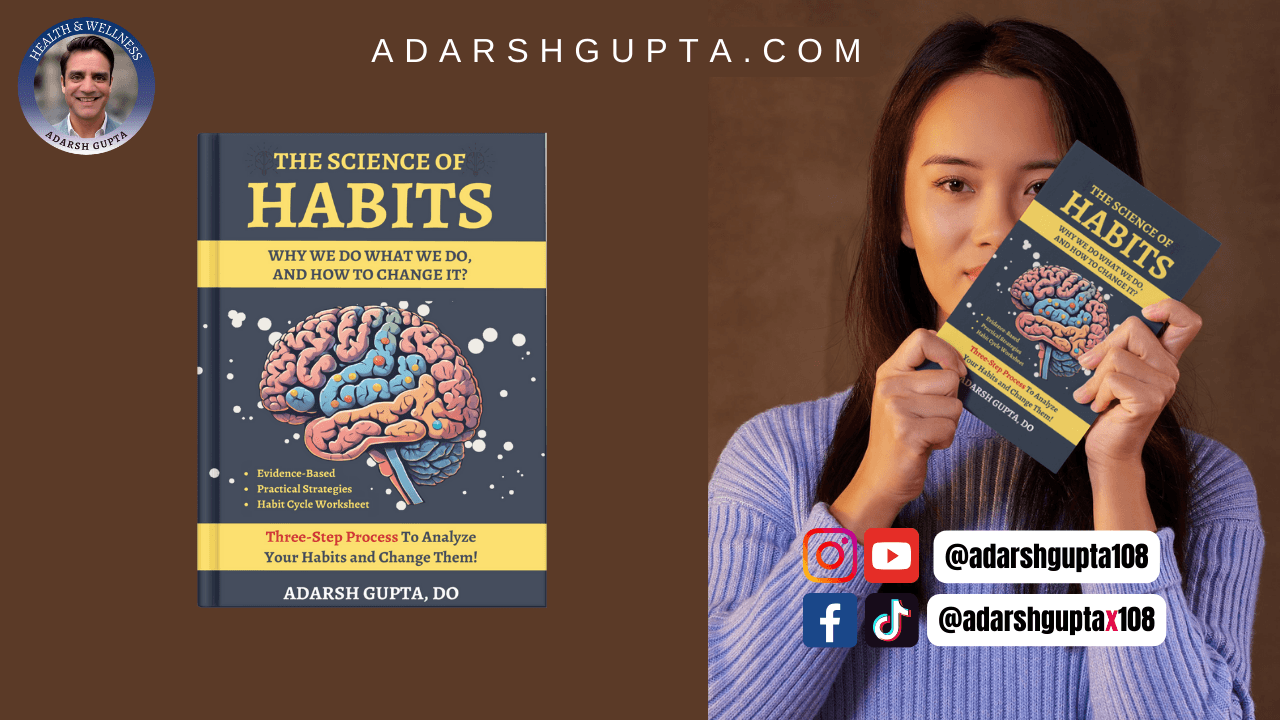
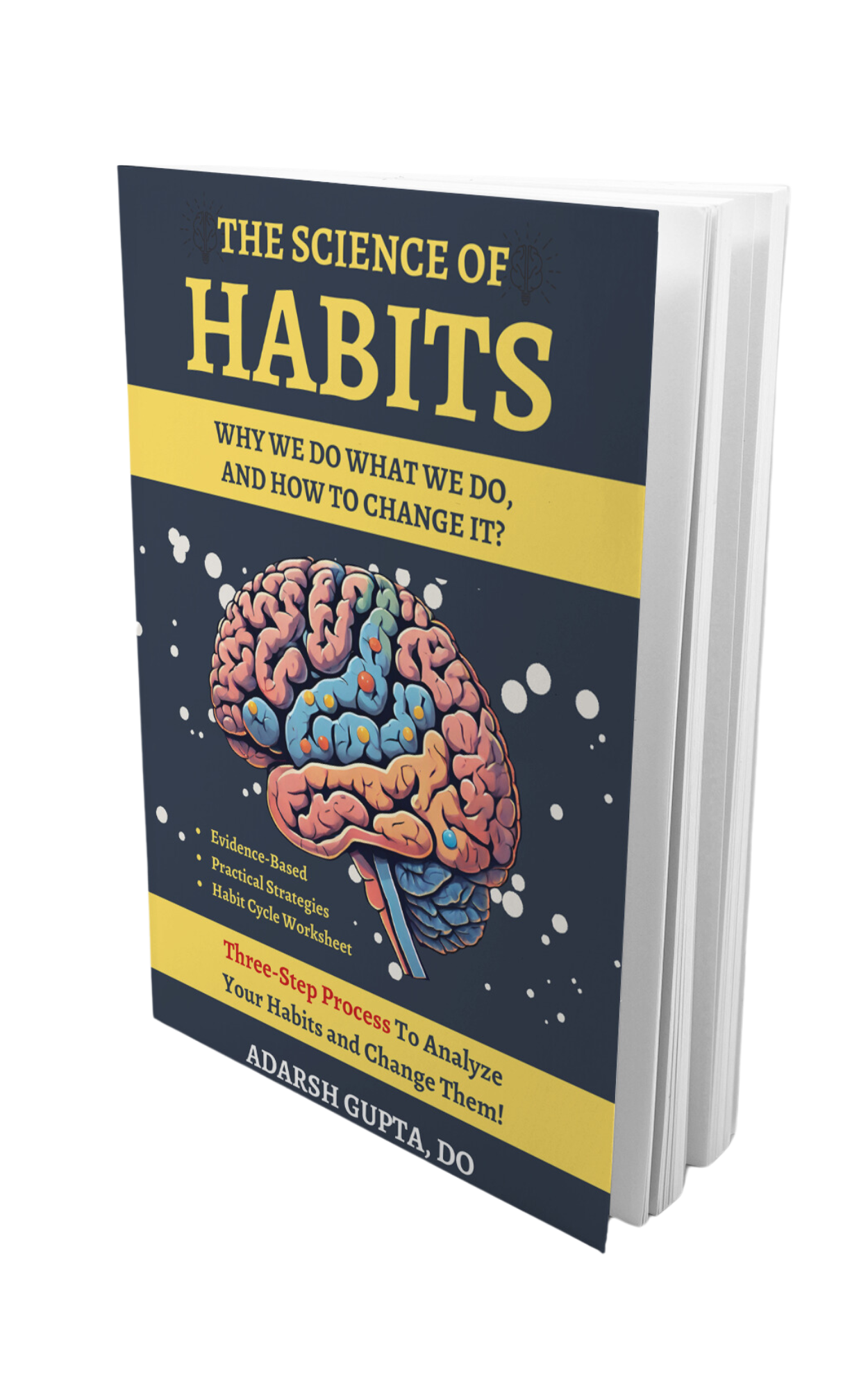
The Science of Habits— the scientific basis of habits, which are the invisible architects of our lives—shapes our daily routines, behaviors, and, ultimately, our destiny. But how do these automatic patterns emerge? What happens in our brains when we repeat certain actions until they become second nature? In this article, we delve into the science of habit formation, drawing insights from my book, “The Science of Habits: Why We Do What We Do and How to Change It.”
The Habit Cycle
I reviewed many scientific studies and books on habits, and at the core of habit formation lies the habit cycle—a four-step process that etches behaviors into our neural pathways (this is explained in detail in my book):
- Trigger: A trigger prompts a specific behavior. It could be a time of day, a location, an emotion, or even a smell. For instance, the smell of coffee in the morning cues your brain to reach for a cup.
- Craving: A psychological response to the trigger. Cravings create a sense of anticipation and desire for the habit to be enacted.
- Action: The behavior itself—the action you take in response to the trigger. Brushing your teeth, tying your shoelaces, or reaching for that chocolate bar—these are all actions.
- Reward: The outcome that follows the action. Rewards satisfy cravings and reinforce the cycle. That post-workout endorphin rush, the fresh minty taste after brushing, or the sugar high from the chocolate—all serve as rewards.
[
](https://amzn.to/4b5cU89)
The Science of Habits: Neural Pathways and Efficiency
Our brains form neural pathways—connections between neurons—that strengthen with repetition. When we perform a task repeatedly, these pathways become more efficient. Eventually, we no longer consciously think about how to do it; it becomes a habit. Imagine learning to ride a bike: at first, it’s a conscious effort, but soon, it’s second nature.
The Role of Context
Context matters. Our environment, emotions, and social cues influence habit formation. Consider the person who automatically reaches for a cigarette after a stressful meeting—the context (stress) triggers the routine (smoking).
Breaking Bad Habits
Breaking old habits can be challenging. My book introduces a three-step process of analyzing your current habits and breaking bad ones by creating an alternate habit cycle. The book has examples of many common bad habits, like stopping smoking, eating unhealthy foods, and avoiding procrastination. With determination and a smart approach, it’s possible to break bad habits. Here are some strategies to create an alternate habit cycle:
- Contextual Awareness: Understand the dynamics that lead to habits. Put yourself in situations where the desired behavior is more likely to occur.
- Incentives: While intrinsic motivation is invaluable, external incentives or rewards can kickstart the desired behavior. Watching TV while exercising or listening to music during a workout can be powerful incentives.
- Repetition: Consistency is key. Repetition rewires neural pathways. How long does it take? Research suggests it takes an average of 66 days to form a habit, but it varies depending on habit.
- Mindfulness: Break the automatic loop by being mindful. Pause, question the cue, and choose a different routine.
Conclusion
Habits are both our allies and adversaries. Understanding their science empowers us to build healthier routines and break free from detrimental ones. My book provides practical strategies to harness the power of habits. So, whether you’re aiming for weight loss, productivity, or personal growth, remember that habits shape your destiny—one cycle at a time.
References:
Ready to transform your life? Dive into the science of habits and rewrite your story!
Some Other Books by me.
Disclaimer: This article is for informational purposes only. Consult a healthcare professional or behavioral expert for personalized advice.